Sculpting Your Garden: Integrative Landscaping Techniques for Small Spaces Dec 10, 2025
Start by assessing the unique characteristics of your small space. Consider factors such as sunlight exposure, soil quality, and drainage. These elements will influence the types of plants and hardscape features you can incorporate into your design. For instance, if your space is shaded most of the day, prioritize shade-tolerant plants and avoid sun-loving species that may not thrive. On the other hand, if your garden receives ample sunlight, opting for drought-resistant plants could minimize maintenance and water usage.
One of the most effective techniques for small space landscaping is vertical gardening. By utilizing walls, fences, or trellises, you can elevate your greenery, literally. This method not only saves floor space but also brings a dynamic, layered look to your garden. Consider using hanging planters or wall-mounted pots to add color and texture at various heights. Climbing plants, such as clematis or ivy, can turn plain walls into verdant tapestries that enhance privacy and aesthetic appeal.
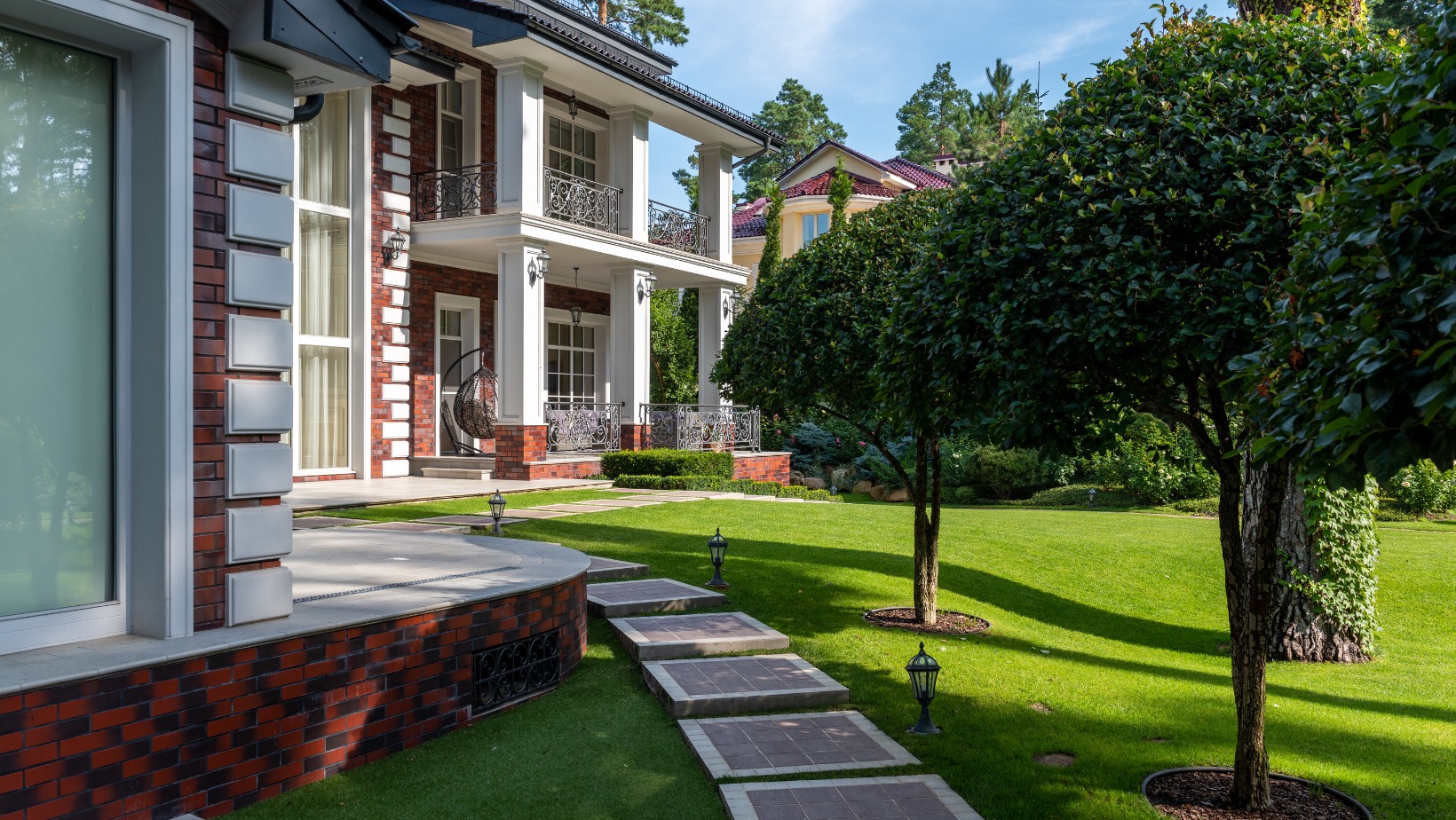
Incorporating hardscaping features, like pathways and patios, can add structure to your small garden while creating the illusion of a more extensive area. Choose materials like stone or wood that complement the exterior of your home. Opt for a winding path instead of a straight one to lead the eye through the garden, making the space feel more expansive. Adding a focal point, such as a water feature or a sculpture, can draw attention, creating a sense of depth and intrigue.
When selecting plants, focus on those that offer both beauty and utility. Edible landscaping is an excellent choice for small spaces, as it combines functionality with aesthetics. Herbs like basil, rosemary, and thyme not only provide lush greenery but can also be used in your kitchen. Companion planting, which involves pairing plants that benefit each other, can further optimize limited space. For example, tomatoes and basil can grow well together, enhancing flavor and deterring pests.
Lighting plays a critical role in small space gardens, especially if you use the area for evening relaxation or entertainment. Incorporate solar-powered or LED lights along pathways or within planters to create a warm, inviting atmosphere. String lights or lanterns can add a whimsical touch, perfect for outdoor gatherings.
Concluding your landscaping journey begins with maintenance in mind. Integrative landscaping techniques should include selecting native plants that are adapted to the local climate. Native species generally require less care and are more resistant to regional pests and diseases, reducing the need for chemical interventions.
In summary, crafting a beautiful garden in a small space is all about thoughtful planning and smart use of resources. By considering vertical space, integrating hardscaping, choosing the right plants, and adding strategic lighting, you can create a stunning, functional garden. At Mountain View Lawn Care and Detail, we’re passionate about helping you bring this vision to life, ensuring every square inch of your garden is as beautiful as the scenic mountain views we serve.