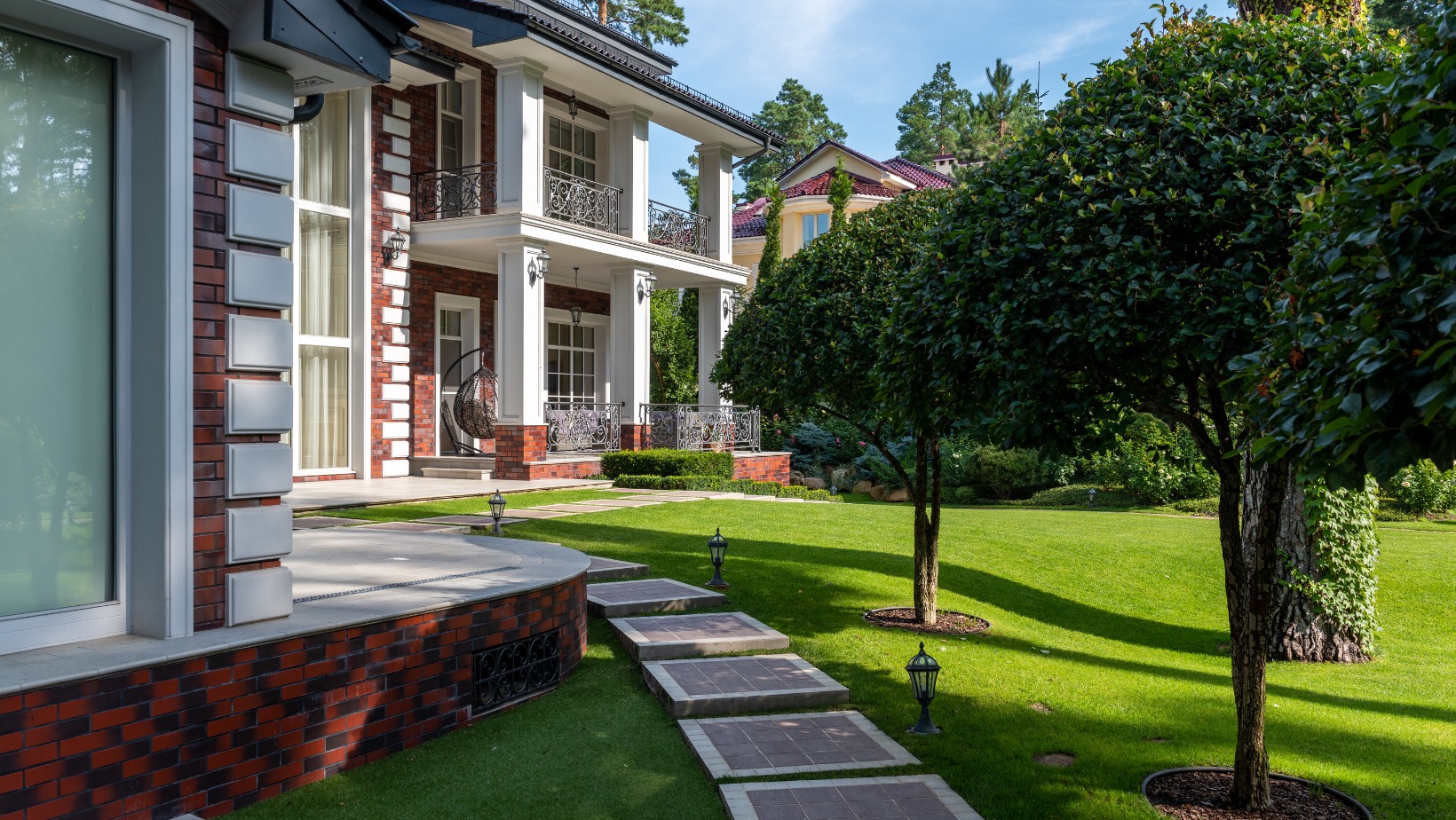
Nature Meets Innovation: Exploring the Latest Trends in Eco-Friendly Landscaping Mar 21, 2026
One of the most significant shifts in eco-friendly landscaping is the increasing use of native plants. These plants adapt well to local climates and soil conditions, reducing the need for excessive watering and chemical fertilizers. By choosing native species from your local area, you not only support local biodiversity but also promote a vibrant ecosystem in your own backyard.
Drip irrigation systems are another innovative trend gaining traction. Unlike traditional watering methods, drip irrigation delivers water directly to the plant roots, minimizing evaporation and runoff. This efficient water-saving technique can significantly reduce water usage and ensure your garden stays lush even during dry spells.
Ground covers provide an eco-friendly alternative to conventional lawns. These low-growing plants, like clover or creeping thyme, require less water, reduce soil erosion, and add a unique texture to your landscape. As they spread naturally, ground covers can also eliminate the need for frequent mowing, reducing your maintenance workload.
Incorporating natural materials into hardscaping design is another way to create sustainable landscapes. Opt for responsibly sourced and recycled materials in your paths, patios, and retaining walls. Permeable paving stones allow rainwater to seep into the ground, filtering out pollutants and replenishing local water tables—an essential feature for eco-conscious homeowners.
Rain gardens are popping up in eco-friendly landscapes everywhere. These gardens capture and filter stormwater runoff from impervious surfaces like roofs or driveways. Strategically planted with water-loving plants, rain gardens prevent erosion, reduce water pollution, and create a habitat for local wildlife.
Moreover, integrating technology into landscaping practices can also have eco-friendly benefits. Smart irrigation controllers, for example, adjust watering schedules based on weather data and soil moisture levels. By optimizing irrigation practices, you avoid overwatering and water wastage, all while keeping your garden healthy.
Composting is another innovative practice that deserves mention. By recycling kitchen scrapes and yard waste, you can create a nutrient-rich soil amendment that enhances plant growth and health. Composting reduces the need for chemical fertilizers, making it a cornerstone of sustainable gardening.
As you consider updating your outdoor spaces, remember that eco-friendly landscaping is an investment not only in your property but in our shared environment as well. Mountain View Lawn Care and Detail is committed to helping you implement these eco-friendly strategies and many others, ensuring your landscape is as sustainable as it is stunning.
By embracing these trends, you can create a landscape that combines the best of nature and innovation. You'll enjoy a beautiful, low-maintenance garden that respects Mother Earth while adding value to your property. Eco-friendly landscaping is more than a choice—it's a responsibility, and with the right advice and practices, it's easier to achieve than ever before. Our team is eager to guide you through this green transformation, promising landscapes that are both innovative and inherently kind to our planet.